Recently in Events Category

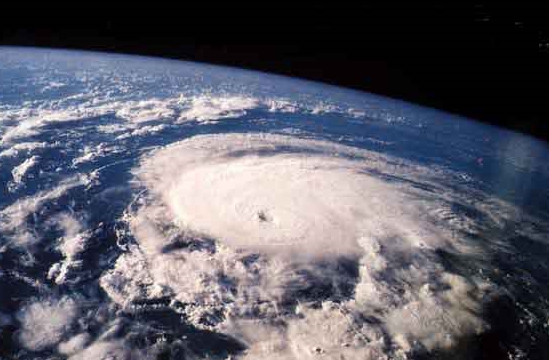
earthstorm.jpg

The time has come to end the ideology wars. 

For too long, discussion about environmental and social challenges has been divided into two camps:  The Neo-Malthusians (here and here) and the Cornucopians (here and here).

The former forsee gloom and doom--an imminent global train wreck driven by climate change, resource depletion, ecosystem destruction, and a combination of growing population and inequality.  The latter forsee an unprecedented boom driven by the creativity and innovation of an increasingly sophisticated and interconnected global economy with millions of new, well-educated people from the emerging markets of the world.

The Neo-Malthusians are the ultimate pessimists ("limits to growth"); the Cornucopians are unabashed optimists ("growth of limits"). The Neo-Malthusians project current trends into the future and see disaster.  The Cornucopians assume that technology will always produce the necessary substitutes and solutions when we need them (because scarcity means higher prices and higher prices signal opportunity for innovators).

It turns out both are probably right:  We face unprecedented environmental and social challenges.   Markets get distorted by perverse subsidies and incumbent resistance so that the price signals that should drive innovation are delayed or deferred.  Humans have difficulty perceiving gradual, slow-developing changes and tend to wait for crises before acting (the "boiled frog" syndrome).  So there probably will be major disruptions and unpleasant surprises in the years ahead.

That said, humans are also infinitely adaptable, resilient, and able to mobilize rapidly when a real crisis is finally perceived.  The level of creativity and inventiveness is astonishing, and we are adding millions of creative people to the stock of potential problem solvers every year.  The internet enables connectivity and exchange on a scale that we could not have previously imagined.  The engine of entrepreneurial capitalism is powerful and should not be underestimated.  So, there is every reason to believe that amazing things will happen that totally change the landscape for the better in the coming decade or two.

Just like the Democrats and Republicans in the United States need to set aside their petty ideological differences for the good of the country (and the world), it is also time for reconciliation and synthesis between the Neo-Malthusians and the Cornucopians.  

Such reconciliation means that we need to learn how to become "skeptical optimists"--optimists because of the potential for new, sustainable technologies to grow exponentially in the coming years (see, for example, Singularity University); skeptical because of the scale and scope of the challenges we face. Skeptical optimism gives us the perspective we need to solve the world's social and environmental problems through a new form of sustainable entrepreneurship and enterprise.  And the time is now.
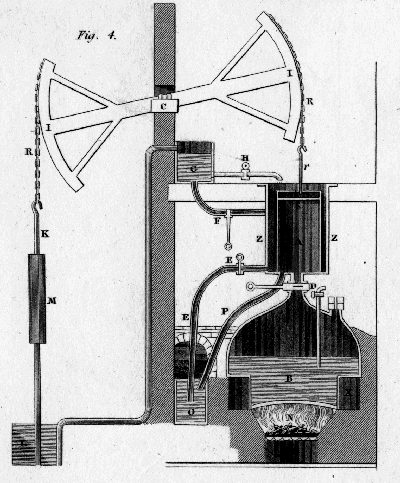
newcomen.gifWhen Thomas Newcomen pumped water out of an English Coal Mine with a makeshift steam engine for the first time in 1722, little did he know that he was giving birth to the defining characteristic of industrial capitalism for the next two centuries--the relentless quest for greater labor productivity.  By substituting coal for manpower, the English textile industry drove the industrial revolution and established the template--and "rules of the game"-- for all industrial enterprises to come.  From cars to chemicals to computer chips, the very concept of "productivity" came to mean producing more product with fewer person-hours of work.

This metric made sense in the 19th century, when coal (and other raw materials) were plentiful and people were relatively scarce.  Now, however, exactly the reverse logic applies--fossil fuels and other raw materials are increasingly scarce and people are relatively plentiful.  We now live with the paradox that increasing business productivity means fewer jobs (especially when economic growth slows), precisely at the time that we need productive employment the most.

Occupy Wall Street, the Arab Spring, the corruption crisis in India, the rural revolt in China--all of these growing social protest movements originate from the same source--a growing "opportunity crisis" driven by unemployment, underemployment, alienation, and humiliation.  The time has come, therefore, to overthrow the tyranny of labor productivity and graduate to a new definition for what it means to be "productive" in business.

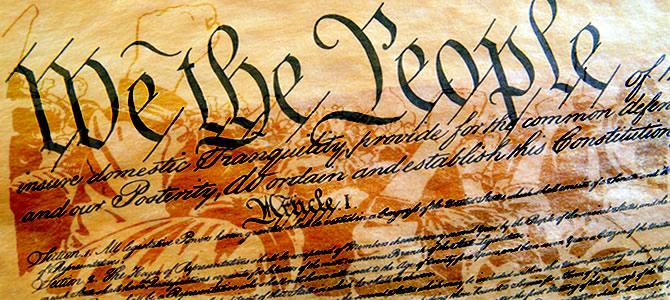
wepeople.jpgIn the emerging economies of the world, this revolution has already begun.  ITC in India, for example, prides itself on creating livelihoods for the poor in the rural areas as part of its strategy for wasteland reforestation and agricultural productivity improvement.  Indeed, as commodity costs rise, it may make sense to redefine productivity--from capital intensity and labor efficiency to labor intensity and capital efficiency.  In the 21st century, "sustainable" enterprise must define success by the extent to which they create productive and fulfilling employment for the people of the world. 
Is business up the challenge?

How does business move beyond greening? TOP - “Create needs in existing markets” vs BOP - “Create markets from existing needs.”

I’m Stuart L. Hart, a leading authority on the implications of environment and poverty for business strategy. This blog will be a place for me to update you on some of my newest insights - based on the work I’m doing to help businesses take the Green Leap.

Join the discussion!

A few years ago, I defined the concept of sustainable value; my work includes over 70 academic papers and several books.

Capitalism at the CrossRoads

Capitalism at the Crossroads, published in 2005, was selected by Cambridge University as one of the 50 top books on sustainability of all-time; the third edition of the book was published in 2010. I present new strategies for identifying sustainable products, technologies, and business models that will drive urgently needed growth and help solve social and environmental problems at the same time. I also argue that corporations are the only entities in the world today with the technology, resources, capacity, and global reach required.

Beyond Greening: Strategies for a Sustainable World won the 1997 McKinsey Award for Best Article in Harvard Business Review and helped launch the movement for corporate sustainability. 

fortune at the bottom of the pyramid

With C.K. Prahalad, I wrote the path-breaking article: The Fortune at the Bottom of the Pyramid which provided the first articulation of how business could profitably serve the needs of the four billion poor in the developing world.

Learn more about my work at stuartlhart.com >>

About this Archive

This page is an archive of recent entries in the Events category.

Environment is the previous category.

Green Leadership is the next category.

Find recent content on the main index or look in the archives to find all content.